
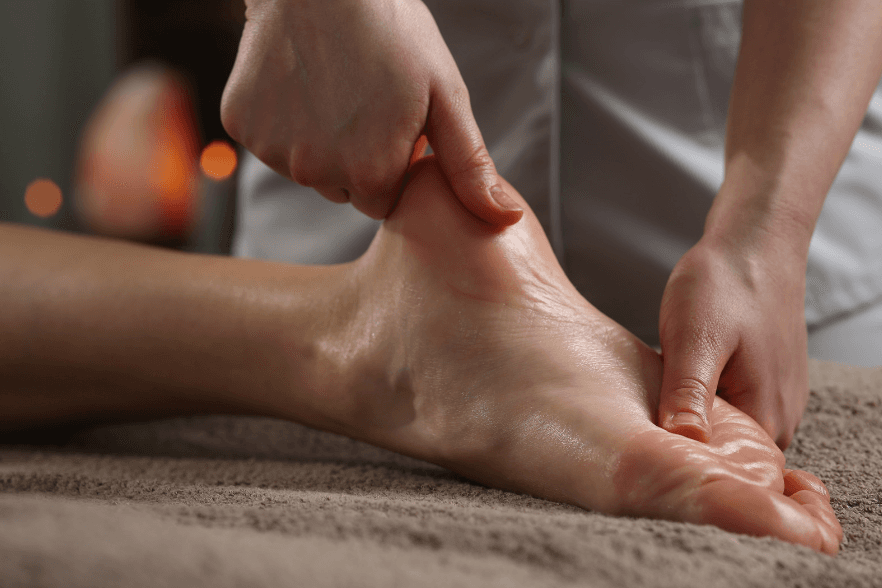
Reflexology
Breathe. Relax. Let go. Reflexology applies pressure to specific points on the feet, hands, and ears that map to the rest of the body. It’s wellness, not medicine — but for stress, sleep, circulation, and general nervous system reset, it earns its place. Often added to massage, sometimes booked on its own.
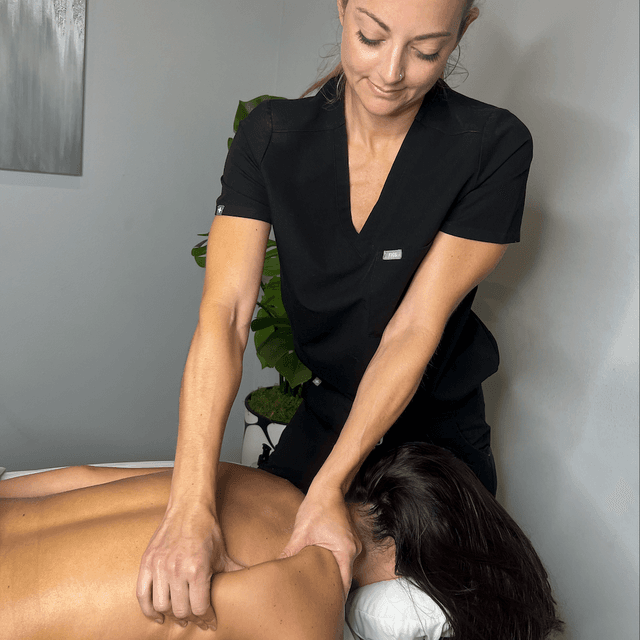
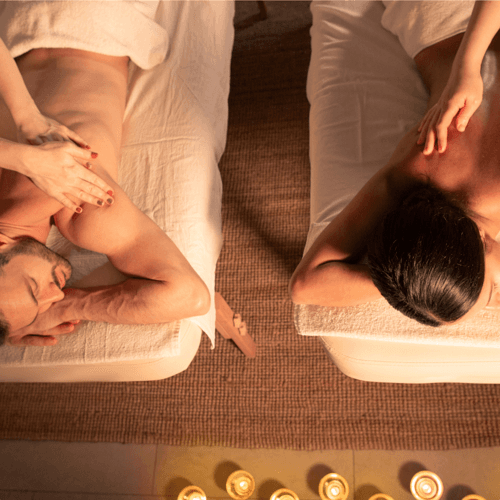
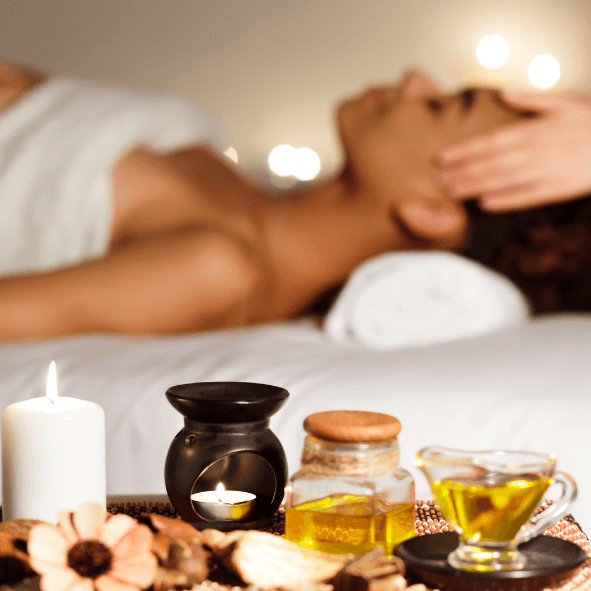
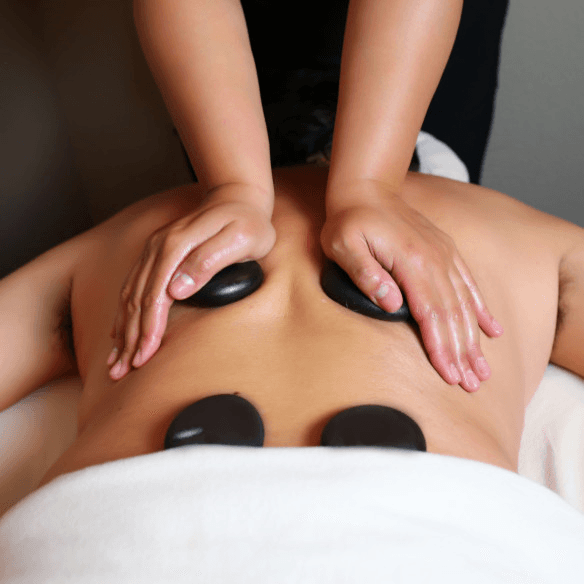
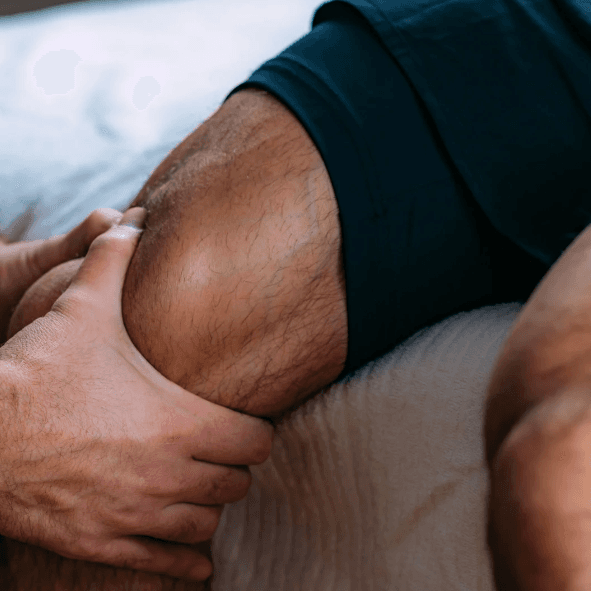
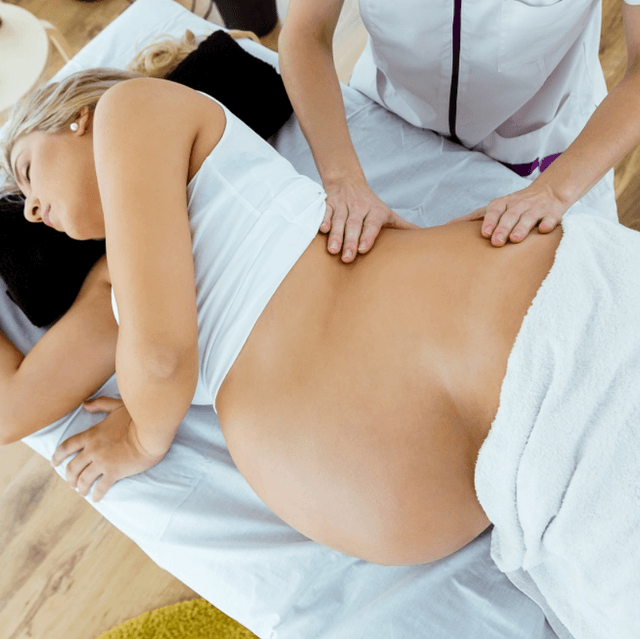
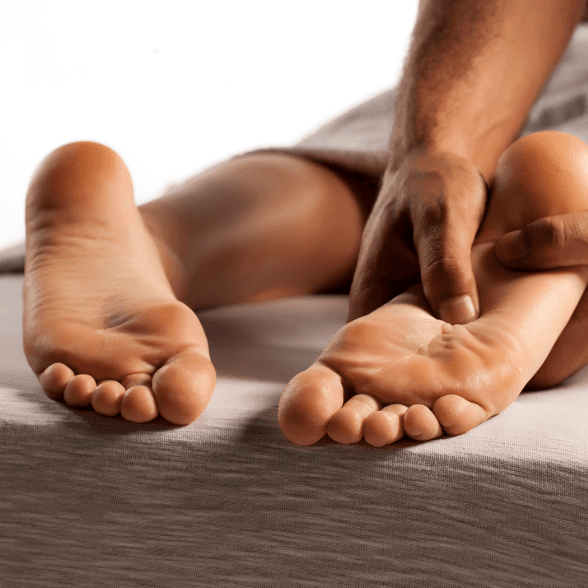
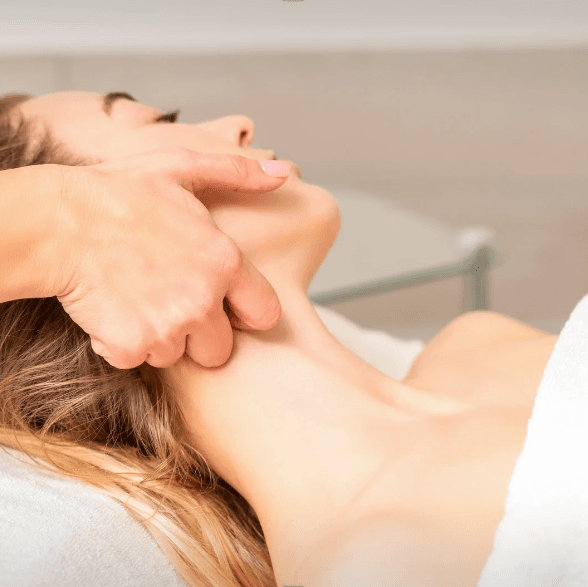
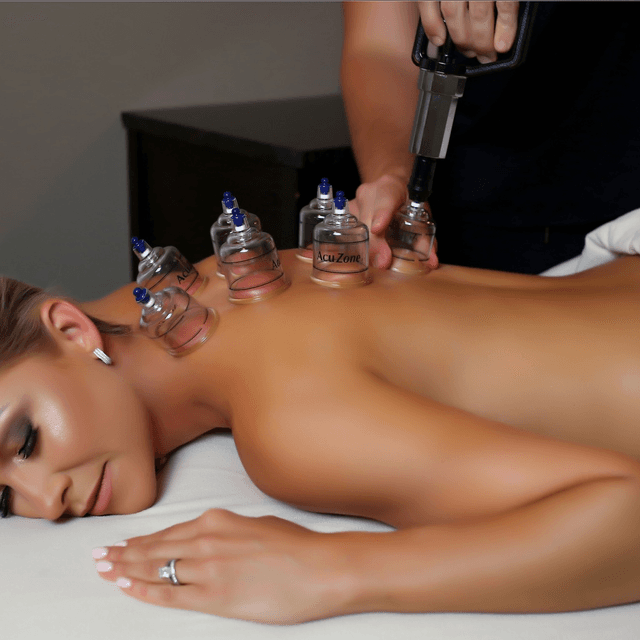
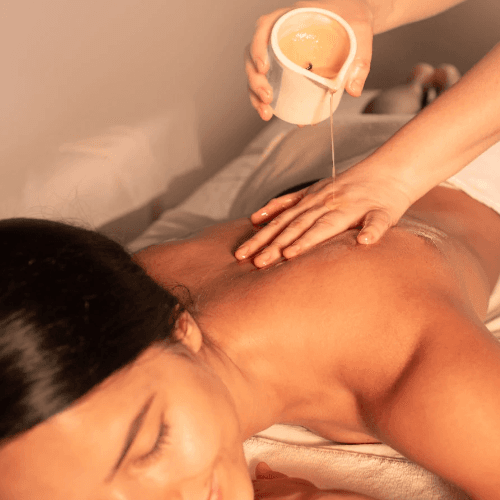
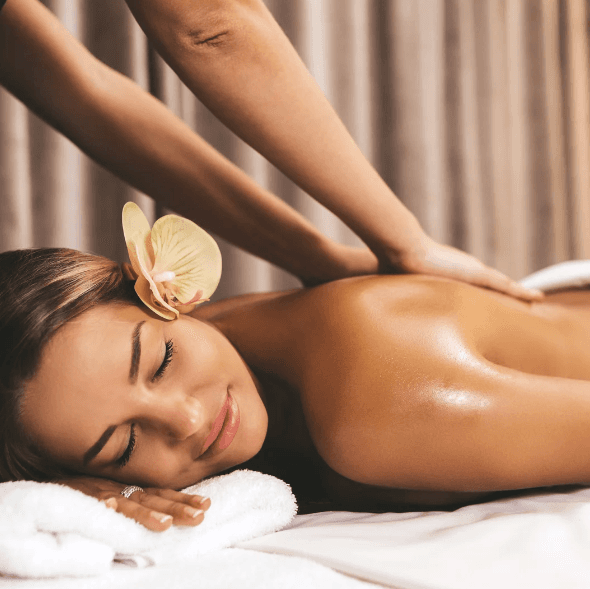

Reflexology is one of the oldest forms of bodywork still practiced today, with roots in traditional Chinese medicine and Egyptian healing traditions. The premise: specific points and zones on the feet, hands, and ears correspond to organs and systems throughout the body. Targeted pressure on those points is intended to release tension, improve circulation, and trigger the body’s relaxation response.
We’re upfront about what reflexology is and isn’t. It’s not a medical treatment, and we don’t make diagnostic or curative claims. It is a deeply relaxing, restorative therapy that many clients find genuinely effective for stress reduction, sleep, and recovery. That’s why people come back.
What Makes Pristine Reflexology Different
Trained, licensed therapists.
Reflexology is performed by therapists with specialty training, not by anyone who’s seen a foot map online.
Honest framing.
Wellness and relaxation, not medical claims.
Clean pairing with massage.
We add reflexology to a massage session when it makes sense, or run it standalone — your call.
Calm environment.
Quiet rooms, dim lighting, no rushed transitions.
No upselling.
If a 30-minute add-on is what you need, that’s what we book.
How Reflexology Works
The body is mapped onto the feet, hands, and ears in zones. The big toe corresponds to the head and neck. The arches map to the digestive system. The heel relates to the lower back and pelvis. Similar maps exist on the hands and ears. Therapists apply rhythmic, sustained pressure with thumbs, fingers, and occasionally tools, working through the relevant zones.
The mechanism most consistently supported by research isn’t the meridian theory — it’s nervous system response. Pressure on dense nerve clusters in the feet and hands triggers parasympathetic activation: lowered heart rate, reduced cortisol, deeper breathing, sleep readiness. That’s the practical benefit, regardless of how you frame the underlying tradition.
Types of Reflexology
Foot Reflexology
The most common form. The feet have over 7,000 nerve endings. Sessions typically run 30–60 minutes. Best for general relaxation, stress, sleep support, and tension release.
Hand Reflexology
Useful when feet are sensitive, injured, or off-limits (recent surgery, neuropathy). Easier to do as a shorter add-on. Good for clients who want benefits without removing footwear.
Ear Reflexology (Auricular)
Smaller, more targeted. The ear has dense reflex points and is often used in shorter focused sessions. Sometimes integrated with relaxation protocols.
Most sessions at Pristine focus on feet, with hand and ear work added based on the client’s preference and what the therapist sees during the session.
Benefits
- Deep relaxation and parasympathetic nervous system activation
- Stress and anxiety reduction
- Improved sleep quality
- Tension release in feet, hands, and broader body
- Improved circulation in extremities
- Pairs well with massage for compounded recovery effect
- Useful for clients who can’t tolerate full-body massage but want bodywork
Who Comes to Pristine for Reflexology
- High-stress professionals winding down after demanding weeks
- Clients dealing with chronic foot tension, plantar fasciitis discomfort, or circulation issues
- People struggling with sleep — especially when stress is the driver
- Pregnancy clients (with appropriate modifications and trimester-specific care)
- Clients post-surgery or with mobility restrictions who can’t do full-body massage
- Anyone who wants a 30–60 minute reset without committing to a full massage
- Massage clients adding reflexology as an extension to their session
What to Expect During Your Appointment
- Brief intake. Goals for the session, areas of focus, medical history, recent injuries, pregnancy status.
- Settle in. Comfortable reclined position, feet elevated. Quiet room, dim lighting.
- Cleansing soak or warm towel. (Location and protocol-dependent.)
- Reflexology work. Therapist applies rhythmic pressure across foot zones, working systematically. Sensation: firm, sometimes intense at specific points, generally deeply relaxing.
- Hand or ear work. If requested or indicated.
- Brief integration period. Most clients are sleepy or deeply relaxed at the end — no rush to move.
- Hydration and aftercare. Recommendations to extend the benefits at home.
Total appointment: 30, 60, or 90 minutes depending on what you book.
Pre-Treatment Prep
- Hydrate before your session
- Eat a light meal 1–2 hours before — not on an empty stomach, not heavy
- Disclose medical conditions, recent injuries, pregnancy, and medications
- Skip caffeine in the hour before if you want maximum relaxation effect
- Arrive a few minutes early — you don’t want to walk in stressed and rush into a relaxation session
Post-Treatment Care
Immediately After
- Hydrate well — water flushes anything mobilized during pressure work
- Take a few minutes before driving if you’re deeply relaxed
- Avoid heavy alcohol the same evening (combines awkwardly with deep relaxation)
Same Day
- Light meals and continued hydration
- Many clients sleep deeply that night — plan accordingly
Ongoing
- Sessions every 2–4 weeks build cumulative benefit
- Pair with massage on a rotating schedule for compounded recovery
Candidates — Who Is, Who Isn’t
Good Candidates
- Anyone seeking stress relief, sleep support, or general relaxation
- Clients with foot tension or chronic standing-related discomfort
- Pregnancy clients (with appropriate modifications)
- Clients who can’t tolerate full massage but want bodywork
Not a Candidate, or Proceed with Caution
- Active foot injury, fracture, or open wound
- Severe varicose veins or active blood clots in the legs
- Active gout flare or severe foot inflammation
- Recent foot surgery without medical clearance
- Severe peripheral neuropathy — discuss with us first
- First-trimester pregnancy at some practices (we follow current best practice and modify accordingly)
- Severe cardiac or circulatory conditions without doctor’s clearance
When in doubt, mention it. We’ll modify or recommend an alternative service.
Different modalities, different effects. Many clients run both on a rotating schedule.
The Pristine Membership
Members receive one hour of massage therapy or a facial every month — your choice, every month — plus member-only pricing on additional services and priority booking across all three locations. One flat monthly rate. No contracts. The membership has been part of Pristine since day one because consistent clients deserve consistent value.
Learn More About MembershipsPristine Membership gets you one service per month at member pricing, rollover credits, guest passes, and priority booking. Reflexology fits cleanly as your monthly service, especially for clients who want consistent stress relief without the commitment of a full massage every time.
Treat Now, Pay Later
We offer flexible financing through Cherry, CareCredit, and Allē so cost doesn't stand between you and the treatment you want. Apply online before your appointment or ask at booking.
View Payment PlansReflexology sessions are typically affordable enough that payment plans aren’t needed. For clients building larger wellness packages combining reflexology, massage, and body contouring, break it into monthly payments with Cherry, CareCredit, or Allē. Soft credit check, decisions in seconds, no hit to your score to apply.
Our licensed estheticians are trained at Pristine Beauty Academy, our own accredited school offering esthetics, laser, and nail licensing programs in the Central Florida area. Pristine Beauty Academy
Reflexology requires specialty training beyond base massage or esthetics licensure. Many of our therapists trained at Pristine Beauty Academy, our accredited esthetics, laser, and nail school, and pursued reflexology certification through specialty programs. The therapists performing your session hold those credentials.
Frequently Asked Questions
Para Nuestros Lectores en Español
La reflexología en Pristine es terapia de presión en pies, manos, y orejas — puntos que corresponden a sistemas de todo el cuerpo. Es un servicio de bienestar y relajación, perfecto para reducir el estrés, mejorar el sueño, y aliviar la tensión acumulada. Se puede combinar con masaje para un efecto más profundo. Respira, relájate, y déjate llevar.
Related Services
Reflexology pairs naturally with our other massage and bodywork services.
Swedish Massage
Pairs perfectly with reflexology for full-body relaxation.
Deep Tissue Massage
For clients who need muscular work alongside nervous system reset.
Lymphatic Drainage
Wellness pairing for circulation and recovery.
Cupping
Fascial release that complements reflexology’s nervous system effect.
Hot Stone Massage
Deep relaxation alternative or addition.
Quiet Work, Real Results.
Reflexology is one of those services that doesn’t sell itself in a paragraph — but the clients who try it tend to keep coming back. Stress reduction, sleep support, deep relaxation. No claims it’s not. Real benefits where it earns them. If you want it done right, you make the trip to Pristine.